Sortowanie
Źródło opisu
Legimi
(3)
Forma i typ
E-booki
(3)
Autor
Masanja Verdiana Grace
(1)
Silva Nilani L De
(1)
Silva Nilani de
(1)
Rok wydania
2010 - 2019
(3)
Kraj wydania
Polska
(3)
Język
polski
(3)
3 wyniki Filtruj
E-book
W koszyku
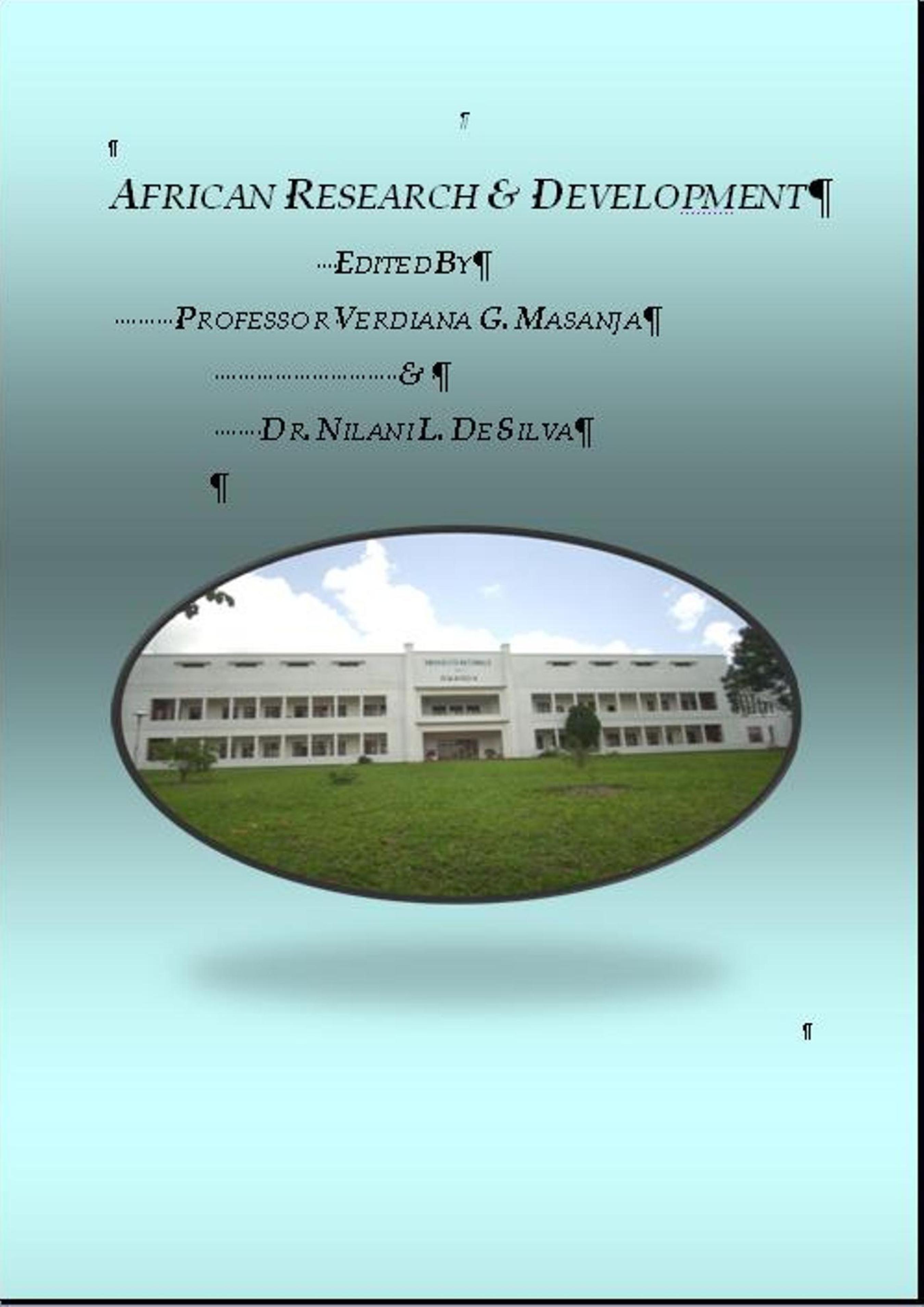
Results of all Research Projects in 2007 to 2010 under NUR-SIDA Collaboration University of Rwanda (UR) through its Research Directorate has been funding its staff to carry out research projects in many areas. This book contains 24 research projects under the Research Commission research grants scheme. The Directorate of Research organised a conference where by all the 24 research grantees presented their research findings. These findings have a high scope not only in Rwanda but also many countries around the world who are interested in African research and research in Rwanda in particular. The research findings that appear in this book come under following domains: Agriculture, Arts, Media and Social Sciences, Conflict Management, Management, Law, and Medicine and in Basic Sciences. This book of proceedings contains the 11 extended abstracts; 10 presented works were already published in International Journals only their titles and authors are included in this book.
Ta pozycja jest dostępna przez Internet. Rozwiń informację, by zobaczyć szczegóły.
Dostęp do treści elektronicznej wymaga posiadania kodu dostępu, który można odebrać w bibliotece.
E-book
W koszyku
I got the idea of writing this book when I first visited Israel in 1990. I was pregnant with my eldest daughter. We had travelled for days from Nubia through all of Egypt, crossing the Sinai desert, by trucks, trains, boats, buses and on camels and donkeys to arrive at Jerusalem. We thought of taking it easy, relaxing in Jerusalem with the blessings of one God, who had many names. It was late afternoon, not a single soul was on the road; we thought this was due to the Sabbath. People in rushing cars stared at us with curiosity, some even tried to signal us; at first we thought that the condition of our Vagabond made us look like drifters. We had no idea that a few hundred metres from us, there had been two simultaneous bomb attacks. A Jewish couple stopped their car, and said we could stay with them until we found a safe place. We were very young, naive but curious, every word said, heard, things seen, experienced, and impulses felt began to reverberate and be transformed into words. I was no longer a tourist in Jerusalem but an undercover self-made detective. I left my blond Swedish husband in the hotel to sunbathe, and scooted off wearing Palestinian traditional female attire to experience how it was to live in Jerusalem as a Palestinian pregnant woman. I was stopped several times while taking taxis, since as a Palestinian you were not allowed to take taxis; I was kept for hours in queues. Finally, I declared my Sri Lankan Swedish identity and showed my documents; Israel soldiers laughed and joked and welcomed me to Israel. They even explained their own dilemmas and miseries; they were young, my age, we could joke, and they were curious about what's happening in Scandinavia, and were curious for what was happening in Sri Lanka, my birth land, once under brutal warfare. While waiting in line I chatted with Palestinians who gave detailed accounts about their daily plights.
Ta pozycja jest dostępna przez Internet. Rozwiń informację, by zobaczyć szczegóły.
Dostęp do treści elektronicznej wymaga posiadania kodu dostępu, który można odebrać w bibliotece.
E-book
W koszyku
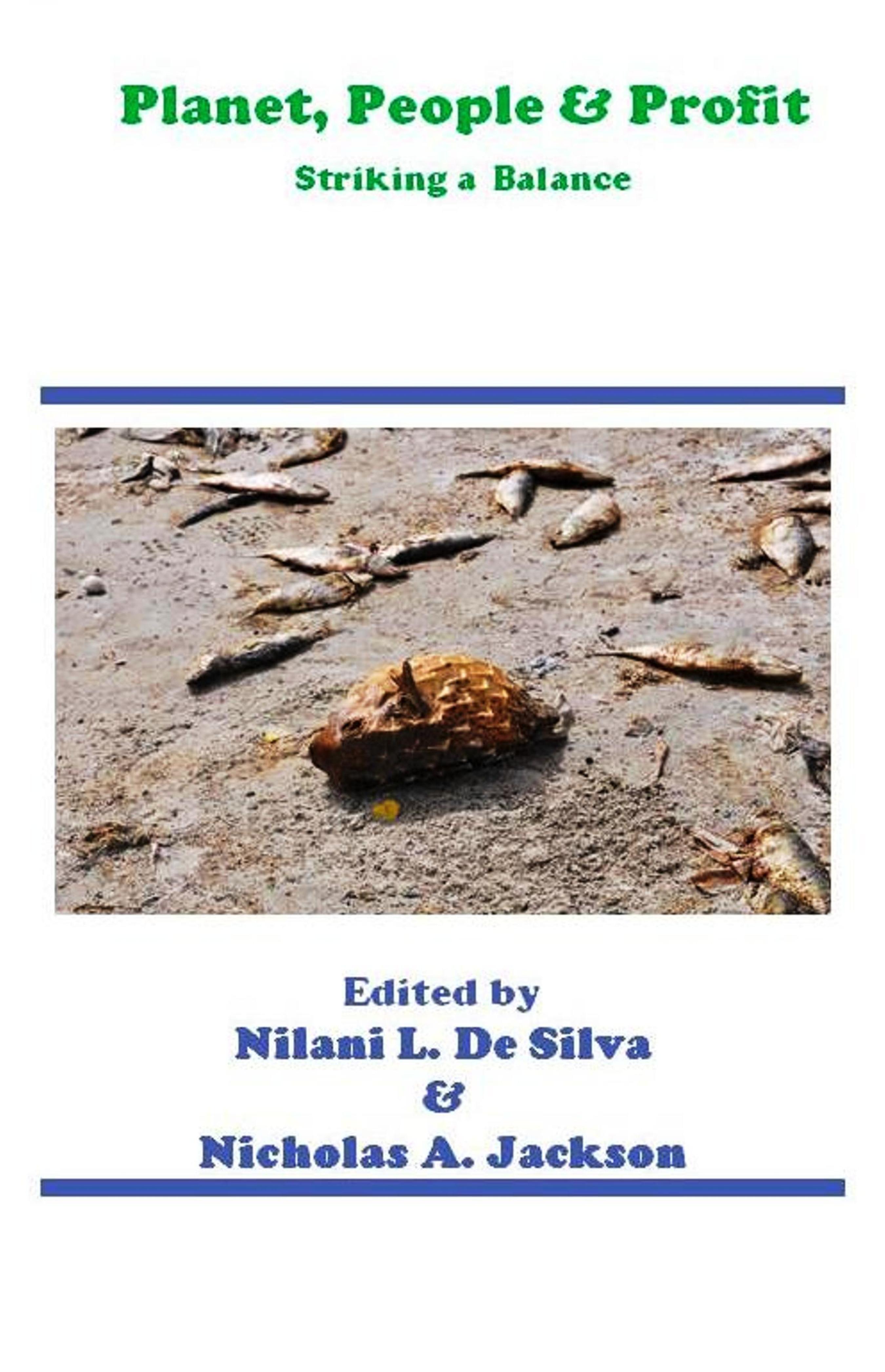
This is a book about social and environmental decay in African rural landscapes endowed with natural resources. The authors present evidence based research from Cameroon-Chad, Lesotho, Niger Delta, Nigeria, East Congo, Rwanda, Sudan and Ghana to illustrate how the planet, people and profit, so far, has failed to strike a balance and provide rec-ommendations based on findings the way forward. Many of the arguments focus on the local as well rnational political economy in which resources are extracted and exported and the impact on social and environment life and landscape in rural Africa. Automatic operation of the market and market actors' philanthropy to help communities' impoverished rural folk sounded old fashioned or resemble neo-colonialism was arbitrated.Term CSR, came into being whereby rural African people were theoretically able to get satisfaction as they drank toxic water as long as the companies were paying them back in kind under these companies' respective voluntary CSR interventions. The problem is that commercial soceities were created with multinational corporations in the lead. States found it hard to reverse or slow down the process at least until they could get a hang of it. Open market policies continue to remain resistent to such challenges despite mounting critique from many cor-ners. FDI is the buzzword and the saviour that alleviates Af-rica's poverty. Although a broader consensus has emerged within and outside of Africa and other developing countries about fundamental defects in the economic model and free market principles through which large multinationals conduct business, raw materials continue to flow from poor countries to rich countries with very little challenge. All this proves that the present way of doing business in Africa. Trade pacts need to be reopened in order to bring forth changes. This has become even more important now with the Red Capitalism.
Ta pozycja jest dostępna przez Internet. Rozwiń informację, by zobaczyć szczegóły.
Dostęp do treści elektronicznej wymaga posiadania kodu dostępu, który można odebrać w bibliotece.
Pozycja została dodana do koszyka. Jeśli nie wiesz, do czego służy koszyk, kliknij tutaj, aby poznać szczegóły.
Nie pokazuj tego więcej